We have a host of resources, all created to help you get into medical school and start on your path to becoming a doctor.


“I really enjoyed the layout of your website, it is aesthetic and easy to follow.”
“The question bank was very useful as it showed me all the percentiles and my weaknesses, with in depth feedback.”
“Medistudents is an essential website to prepare for the UCAT. It helped to guide through the process and helped me improve my weaknesses.”

Our state of the art algorithms provide an adaptive learning experience. Adaptive personalised question banks are up to 50% more effective than other question banks, and we are the only one that does it for the UCAT.
Prepare for the UCATThe guide provides you with topics which may arise at your interview and supports you to develop techniques to answer different questions and scenarios effectively.
Read the Guide
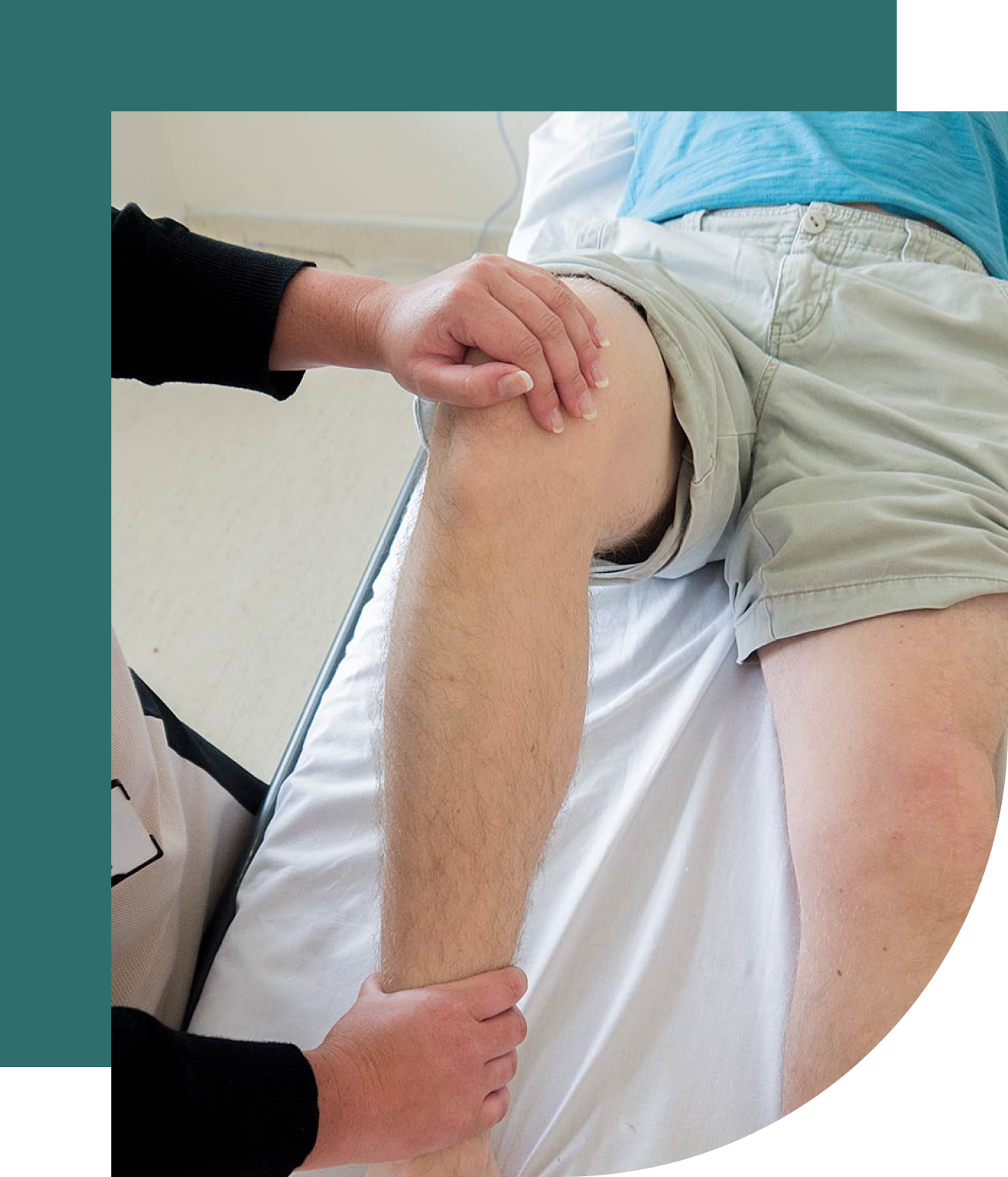
Each guide is handwritten and vetted by medical professionals, and feature exclusive photography.
Browse OSCE Skills
A step-by-step guide to help you prepare successfully for the UCAT and get into your favourite medical school.

A free UCAT practice test to help you prepare for the 2023 exam. We've designed the test to mimic the actual exam.

Our complete guide has everything you need to score highly in the UCAT and get into medical school.


